
The 6 Best Clean Vitamin C Serums for Sensitive Skin
A licensed esthetician’s picks: six stable, well-formulated vitamin C serums that brighten sensitive, rosacea-prone skin without the sting. Tested on real clients.
 Candy IversonOwner & Licensed Aesthetician
Urban Rituals is reader-supported. Some links to skincare products are affiliate links to our Pomp storefront, which means we may earn a commission at no extra cost to you. We only recommend products we have tested and would use on our own clients.
Vitamin C is one of the most powerful — and most poorly formulated — ingredients on the shelf. Done right, it brightens, fades old sun spots, and props up your collagen. Done wrong, it stings, oxidizes into a useless orange puddle, and sends reactive skin into a flare. Most "best vitamin C" lists ignore sensitive skin and just rank the strongest L-ascorbic acid they can find. I went the other way: every serum here had to clear a stable, well-built formula and real tolerance on the reactive and rosacea-prone clients I see every week. A few use gentle derivatives that never sting; a couple use classic L-ascorbic acid but pair it with soothing botanicals and sensible directions. All six are ones I would hand to a client without worrying.
How we tested
I do not rank vitamin C from a spreadsheet of marketing claims. Every serum here was assessed the way I evaluate anything before it touches a client’s face. First, a clean-ingredient screen: the form of vitamin C, the supporting antioxidants, the preservation system, and anything likely to irritate reactive skin. Then an efficacy read: concentration and form, whether it is paired with stabilizers like ferulic acid and vitamin E, and how it is packaged — because air and light quietly destroy vitamin C. Finally, real tolerance on rosacea-prone, post-treatment, and easily-stung skin over time. My four scores map to that process — Efficacy, Formulation, Tolerance, and Value — and the overall is the honest average.
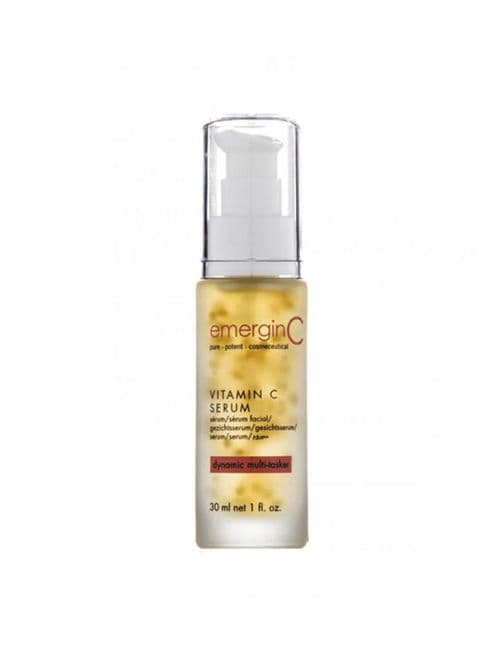
emerginC Vitamin C Serum
If you want one vitamin C that just works for most people, this is the one I reach for first. The three-form blend gives you stable, well-tolerated vitamin C that keeps brightening over weeks without the pH sting that scares reactive skin away. It is not the fastest brightener here, but it is the one I trust on the widest range of skin — which is exactly what best overall should mean.
Overall score
9.3/10
- Efficacy9.1
- Formulation9.6
- Tolerance9.5
- Value8.9
Pros
- Three stable, low-irritation forms of vitamin C (sodium & magnesium ascorbyl phosphate + ascorbyl palmitate) instead of raw L-ascorbic acid
- Allantoin, ginseng, and vitamins E and F make it calming and antioxidant-rich
- Labeled for all skin types and lives up to it — no sting, even on reactive skin
- Sodium ascorbyl phosphate also helps with occasional breakouts
Cons
- Derivative forms brighten more gradually than a high-percentage L-ascorbic acid
- Premium price for a 30 mL bottle
emerginC Vitamin C Serum
$95.00USD
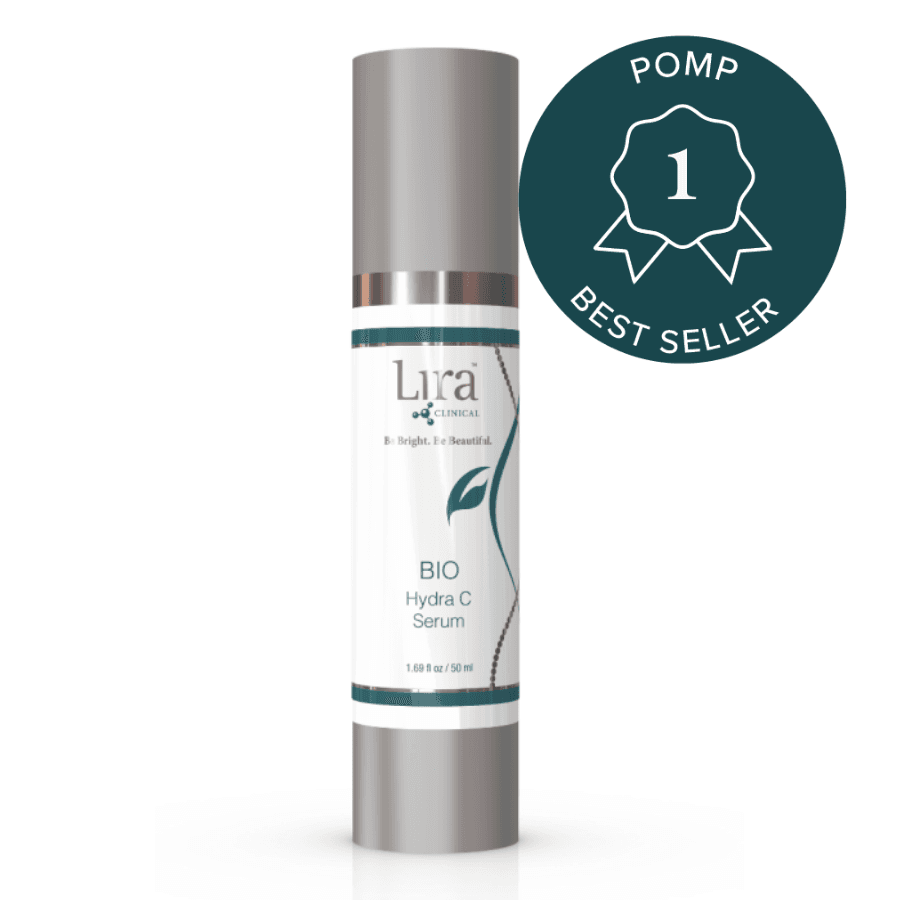
Lira Clinical Bio Hydra C
This is my go-to for the clients everyone else’s vitamin C failed. It is basically a soothing serum that happens to deliver a serious 20% dose of vitamin C — the aloe base, licorice, and green tea do real anti-redness work while four vitamin C forms brighten in the background. I have used it on rosacea-prone and post-treatment skin without a flare, and for the size and price it is quietly one of the best values here.
Overall score
9.2/10
- Efficacy8.8
- Formulation9.3
- Tolerance9.6
- Value9.0
Pros
- Four forms of vitamin C (including gentle THD ascorbate) at a meaningful 20% — brightening without a single-acid jolt
- Certified-organic aloe vera base with licorice root and green tea to actively calm redness
- Plant stem cells and botanical brighteners add antioxidant support
- Airless pump keeps the vitamin C from oxidizing; explicitly formulated for sensitive and rosacea skin
Cons
- Esthetician-recommended item (a plus for guidance, but not a grab-off-a-shelf buy)
- Richer, more emulsion-like texture than a classic watery serum
Lira Clinical Bio Hydra C
$74.80USD
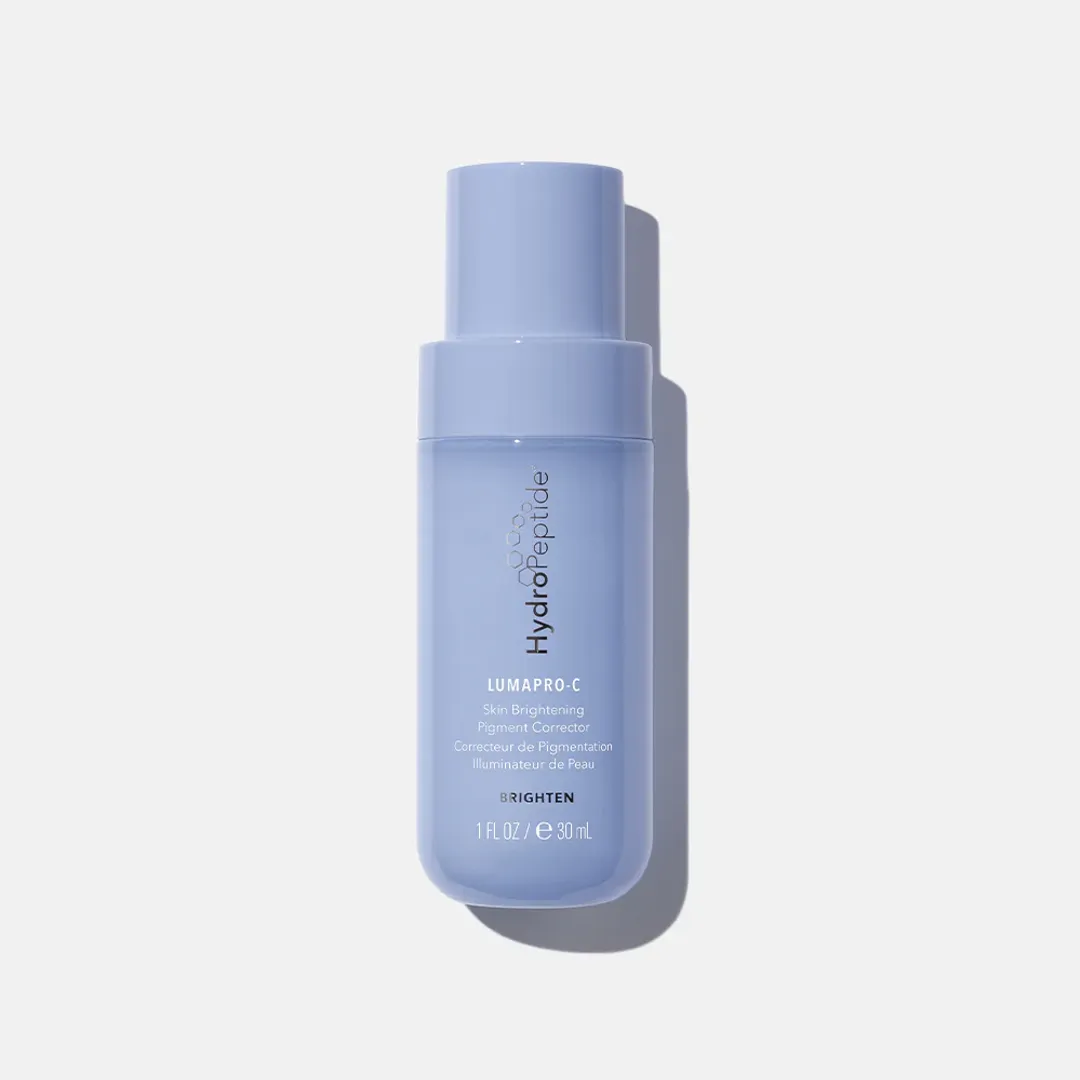
Hydropeptide Lumapro-C
When a client’s main concern is dark spots or melasma — not just dullness — this is where I point them. THD ascorbate gives real vitamin C benefits with none of the acid sting, and the phenylethyl resorcinol pushes it past a basic brightener into genuine pigment-correction territory. It is the priciest here, but for someone who has tried three serums and still has stubborn discoloration, it earns the spend. Pair it with daily SPF or you are wasting it.
Overall score
9.0/10
- Efficacy9.4
- Formulation9.3
- Tolerance9.2
- Value8.0
Pros
- Uses tetrahexyldecyl ascorbate (THD) — the most stable, oil-soluble vitamin C, and one of the gentlest
- Pairs it with phenylethyl resorcinol, a standout ingredient for stubborn hyperpigmentation and melasma
- Resveratrol and antioxidants deepen the brightening and defense
- Vegan and free of parabens, sulfates, phthalates, and gluten; no low-pH sting
Cons
- Premium price for 1 oz
- Contains citrus peel and botanical extracts — worth a patch test if you are fragrance-reactive
Hydropeptide Lumapro-C
$155.00USD
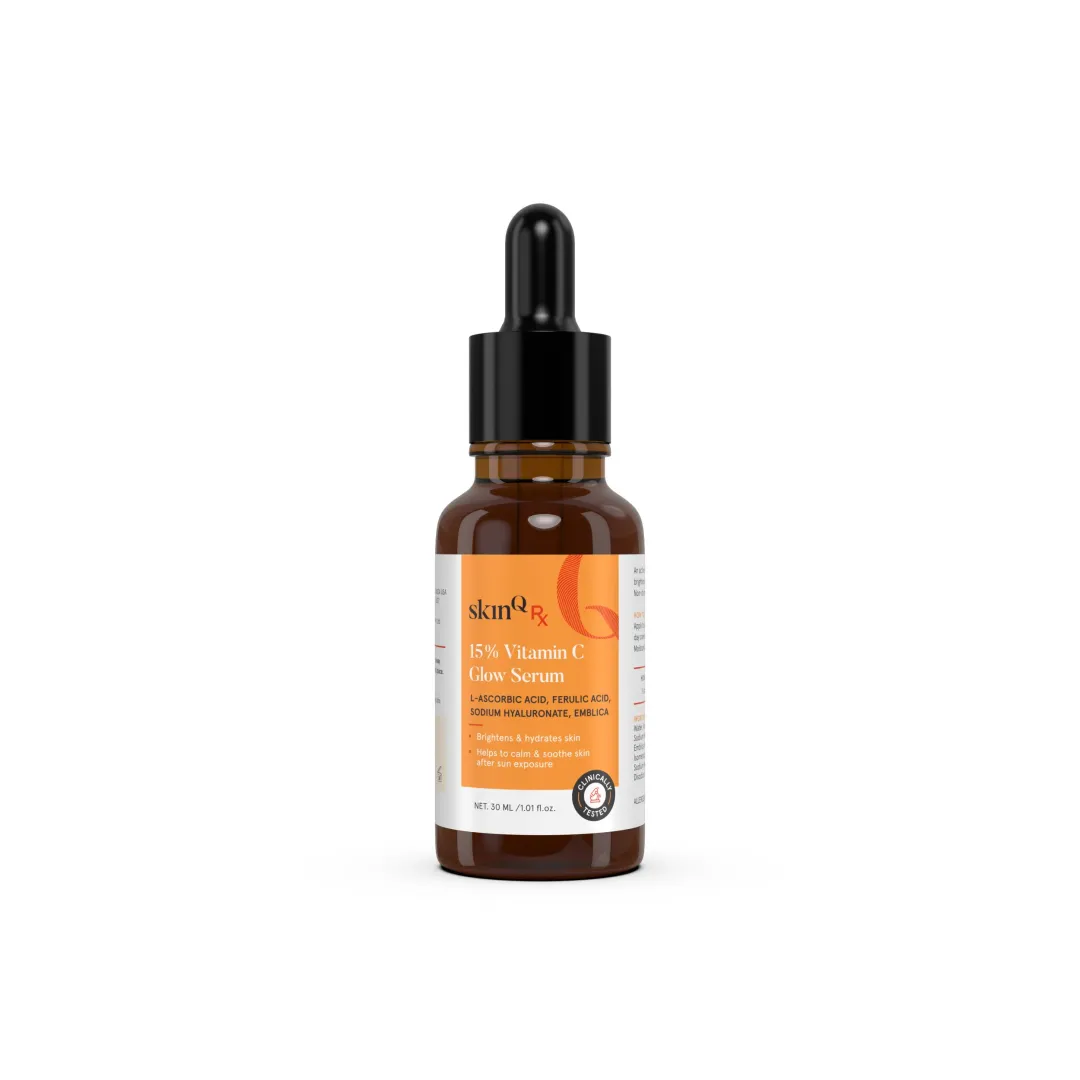
SkinQ RX 15% Vitamin C Glow Serum
If your skin tolerates a true L-ascorbic acid and you want that fast, lit-from-within glow, this is my pick. The ferulic acid is the tell of a formula that understands vitamin C, and the hyaluronic acid solves the dry, tight feel that turns people off classic C serums. I put it at brightening rather than sensitive on purpose — it is potent. Start a few nights a week, and if you flush easily, look at the derivative serums above.
Overall score
8.8/10
- Efficacy9.2
- Formulation8.8
- Tolerance8.3
- Value8.7
Pros
- 15% L-ascorbic acid delivers visible brightening quickly
- Ferulic acid stabilizes and boosts the vitamin C; amla (a natural vitamin C source) adds antioxidant punch
- Sodium hyaluronate keeps it non-drying, which most L-ascorbic serums are not
- Sensible beginner directions built into the label (start 2–3x a week)
Cons
- L-ascorbic acid is the least stable form — buy fresh, store dark and cool, replace once it turns deep orange
- At an active 15% it can tingle on very reactive skin; ramp up slowly
SkinQ RX 15% Vitamin C Glow Serum
$95.00USD
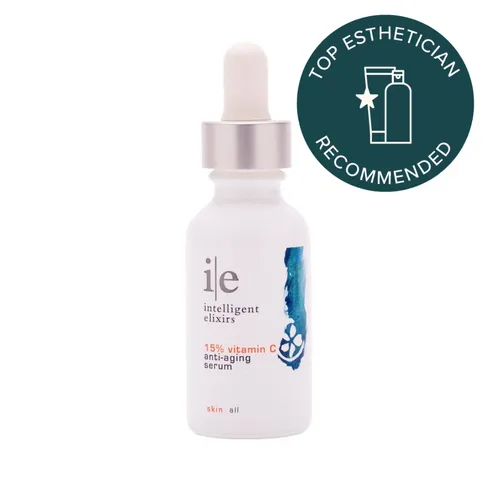
intelligent elixirs 15% Vitamin C Anti-Aging Serum
This is the one I recommend when budget is the deciding factor and skin can handle a real acid. You get a legitimate 15% L-ascorbic-plus-ferulic formula — the combination with actual research behind it — for well under most competitors. The low pH means it is potent, so I steer very reactive or rosacea-prone clients to the gentler picks. But for normal-to-combination skin that wants results without overspending, it is a smart buy.
Overall score
8.8/10
- Efficacy9.0
- Formulation8.6
- Tolerance8.0
- Value9.4
Pros
- 15% L-ascorbic acid plus ferulic acid and zinc for antioxidant defense and firming — a lot of active for the money
- Soothing botanicals (chamomile, willow bark, watermelon, sage) help buffer the low pH
- Clean markers: cruelty-free, GMO-free, artificial-dye-free
- Best price-per-bottle on this list
Cons
- Formulated at pH 2.5 — effective, but the most likely here to sting genuinely reactive skin
- Simpler preservation and packaging means using it within a few months of opening
intelligent elixirs 15% Vitamin C Anti-Aging Serum
$68.00USD
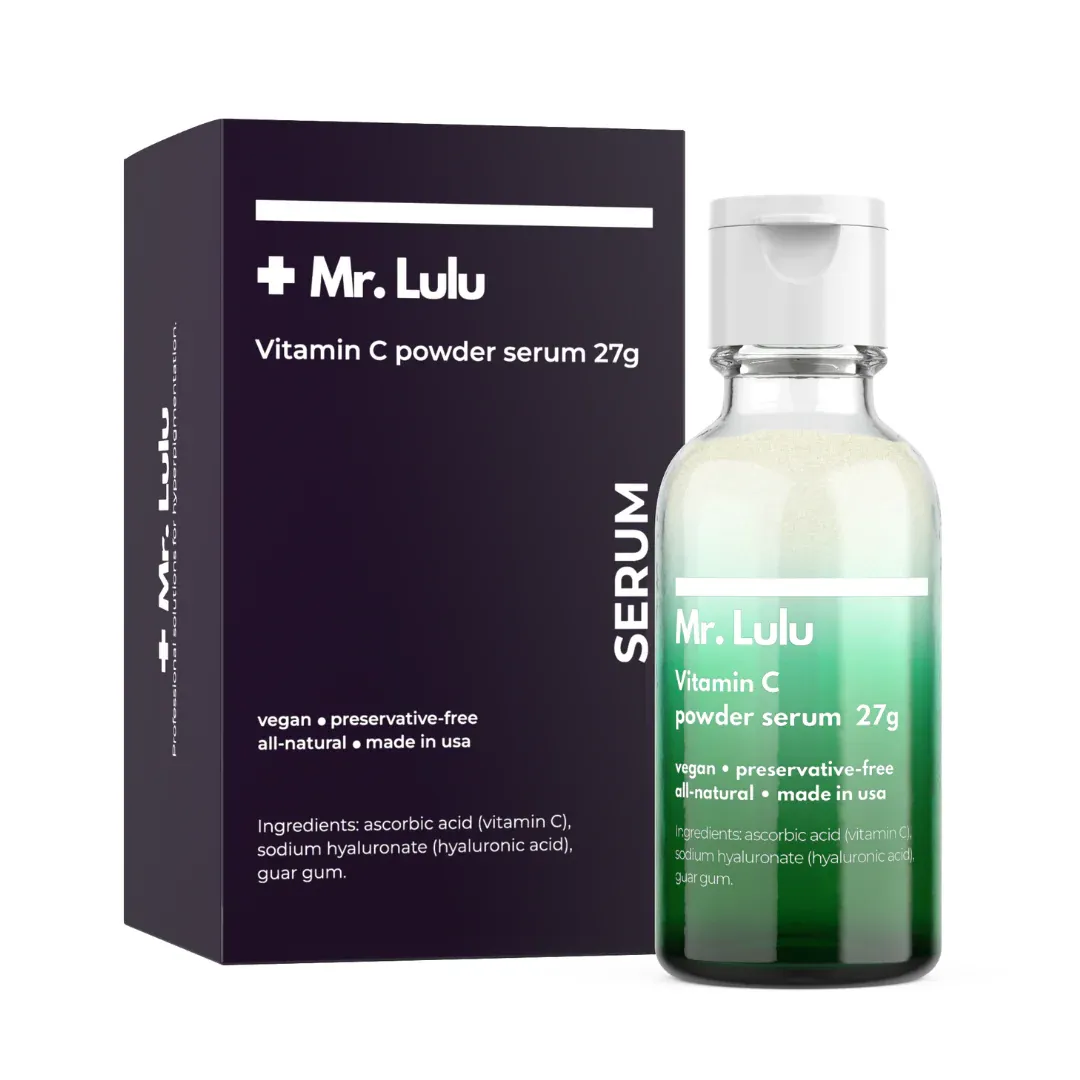
Mr. Lulu Vitamin C Powder Serum
I love recommending this to minimalists and to anyone who has watched a $90 serum turn brown and useless halfway through the bottle. Because you activate the powder with water each time, potency is never in question — fresh vitamin C on day 90 exactly like day one. The trade-off is no supporting cast, and pure ascorbic acid is assertive, so I tell reactive clients to start with a smaller pinch on a well-hydrated face. For the right person, it is the purest vitamin C here.
Overall score
8.8/10
- Efficacy8.9
- Formulation8.7
- Tolerance8.5
- Value9.0
Pros
- Three ingredients — ascorbic acid, hyaluronic acid, guar gum — and nothing else
- Mixed fresh at each use, so it never oxidizes or goes off (the biggest problem with liquid vitamin C)
- Fragrance-free, preservative-free, alcohol-free — ideal for reactive skin and simple routines
- 150+ applications per bottle makes the per-use cost excellent
Cons
- Pure ascorbic acid can feel strong; no ferulic acid or vitamin E to soften or boost it
- The mix-it-yourself step is a small learning curve (and less travel-friendly)
Mr. Lulu Vitamin C Powder Serum
$80.10USD
The vitamin C forms that actually matter
If you understand nothing else about vitamin C, understand this: the form matters more than the percentage on the front of the box. A gentle 10% you can tolerate every day beats a harsh 20% that sends reactive skin into a flare.
L-ascorbic acid (LAA) is the original, most-researched form — the gold standard for brightening and collagen support. It is also the least stable and works at a low pH, which is where the sting comes from. SkinQ RX and intelligent elixirs both use it and smartly pair it with ferulic acid, which makes L-ascorbic acid more stable and more effective. Great results, but the form most likely to bother reactive skin.
Tetrahexyldecyl ascorbate (THD) is my favorite form for sensitive skin — oil-soluble, extremely stable, works at a skin-friendly pH (no sting), and converts to active vitamin C in the skin. Hydropeptide Lumapro-C is built on it, and Lira Bio Hydra C includes it in a four-form blend. It works a little more gradually, but it is comfortable, so you actually keep using it.
Sodium and magnesium ascorbyl phosphate (SAP / MAP) are water-soluble, stable, gentle derivatives at a neutral pH. They brighten more slowly than L-ascorbic acid but almost never irritate, and SAP has a nice bonus for breakout-prone skin. emerginC leans on this family, which is why it is so widely tolerated.
The short version: reactive, rosacea-prone, or new to actives — start with a derivative (THD, SAP, MAP). Resilient skin that wants the fastest glow — a well-formulated L-ascorbic acid with ferulic acid is worth it, ramped up slowly.
How to choose a vitamin C serum for sensitive skin
Match the serum to your skin, not to the biggest number. If your skin flushes easily or you have rosacea, choose a derivative-based serum with soothing ingredients — aloe, licorice root, green tea, allantoin, chamomile (Lira Bio Hydra C and emerginC are the two I trust most). If your goal is fading dark spots or melasma, look for THD ascorbate paired with a dedicated pigment ingredient like phenylethyl resorcinol — that is the Lumapro-C story. If you want fast, glowy brightening and your barrier is healthy, a 15% L-ascorbic acid with ferulic acid (SkinQ RX or intelligent elixirs) gets you there. And if you hate watching serums oxidize, a fresh-mixed powder like Mr. Lulu’s removes the stability question entirely.
Packaging is part of the formula. Vitamin C hates air and light, so opaque bottles, airless pumps, and single-use activation all protect your investment. A clear dropper bottle on a sunny shelf is working against you no matter how good the formula is.
How to use vitamin C without irritating your skin
Most "vitamin C ruined my skin" stories are really application stories. Start low and slow — two or three mornings a week for the first couple of weeks, then build up as your skin proves it is happy. Apply to clean, dry skin; damp skin can increase the sting from low-pH formulas. A pea-sized amount for the whole face is plenty. If a serum feels strong, buffer it by applying moisturizer first, then the vitamin C on top.
Vitamin C is a morning ingredient for most people: it layers under (and boosts) your sunscreen and defends against the daytime free radicals that cause dark spots. Which brings up the non-negotiable — always follow daytime vitamin C with SPF. Using a brightening serum without sun protection is like bailing a boat without plugging the leak. And you do not need to layer every active at once: if you use a retinoid or strong acids, keep those for the evening and use vitamin C in the morning.
What I tell clients to watch for
Watch the color. Fresh vitamin C is clear to pale yellow; as it oxidizes it turns deep orange, then brown. A dark brown serum has lost most of its potency and can stain skin — retire it. Buy sizes you will finish in a few months. And if a serum stings for more than a minute, flakes you, or leaves you pink an hour later, that is not "it is working" — that is too much, too soon, or the wrong form for your skin, and one of the gentler picks here will serve you better. Vitamin C should feel like maintenance, not a punishment. If you would like help building a routine around your skin specifically, I would love to see you in the treatment room.