
Hydropeptide Lumapro-C Review
 Candy IversonOwner & Licensed Aesthetician
Updated July 2026
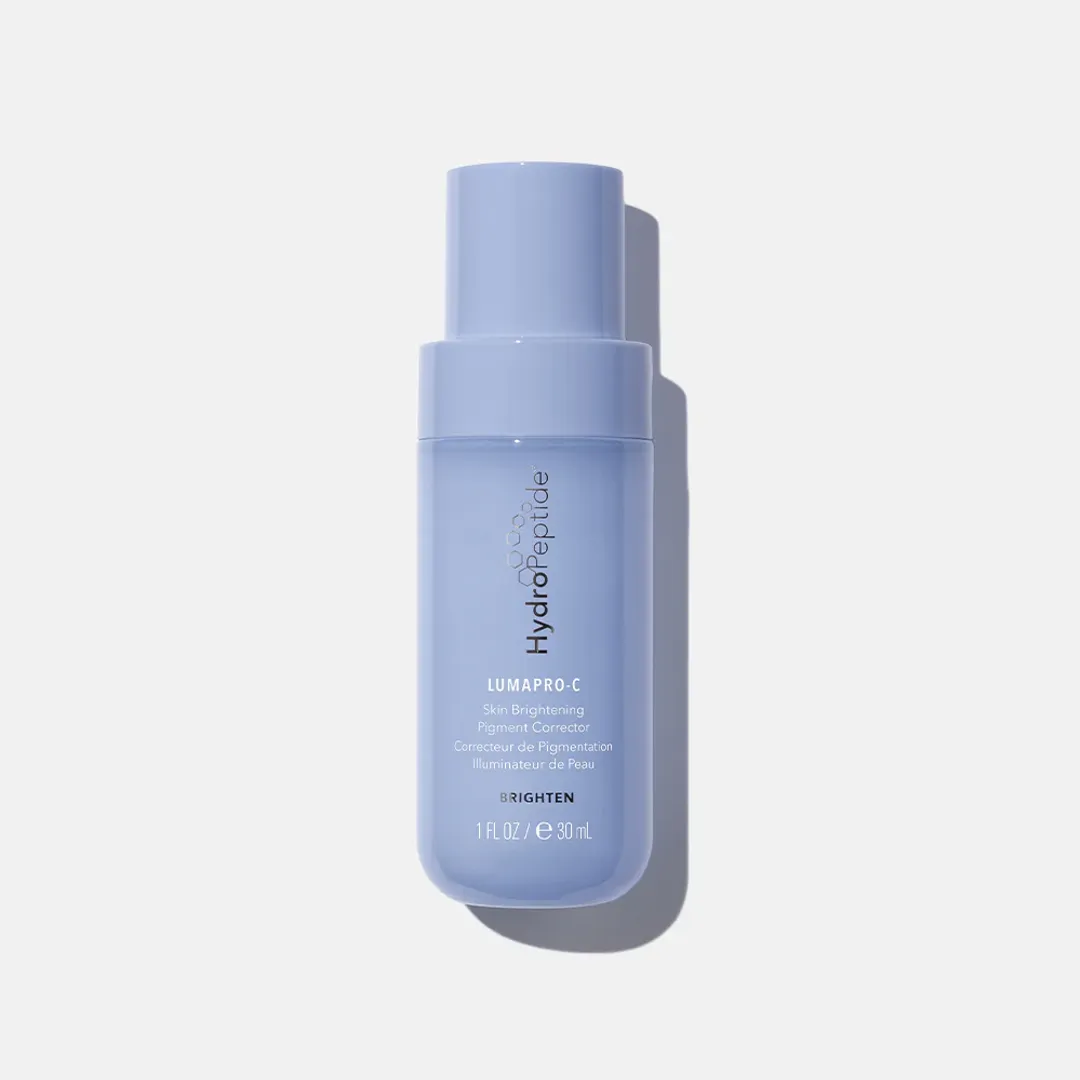
9.0/ 10
The verdict
When a client’s main concern is dark spots or melasma — not just dullness — this is where I point them. THD ascorbate gives real vitamin C benefits with none of the acid sting, and the phenylethyl resorcinol pushes it past a basic brightener into genuine pigment-correction territory. It is the priciest here, but for someone who has tried three serums and still has stubborn discoloration, it earns the spend. Pair it with daily SPF or you are wasting it.
Urban Rituals is reader-supported. Some links to skincare products are affiliate links to our Pomp storefront, which means we may earn a commission at no extra cost to you. We only recommend products we have tested and would use on our own clients.
Scorecard
Overall score
9.0/10
- Efficacy9.4
- Formulation9.3
- Tolerance9.2
- Value8.0
Pros
- Uses tetrahexyldecyl ascorbate (THD) — the most stable, oil-soluble vitamin C, and one of the gentlest
- Pairs it with phenylethyl resorcinol, a standout ingredient for stubborn hyperpigmentation and melasma
- Resveratrol and antioxidants deepen the brightening and defense
- Vegan and free of parabens, sulfates, phthalates, and gluten; no low-pH sting
Cons
- Premium price for 1 oz
- Contains citrus peel and botanical extracts — worth a patch test if you are fragrance-reactive